MENU

PRODUCTION AND EDITING
EQUIPMENT


Actors / Assistants


My brother, Asad Abdullah Saeed, who my best friend Hassaan refers to as "The Top G"; truly the quintessential free spirit and the family’s resident dramatist, leaped at the opportunity to dive into the creative chaos of my music video project. His involvement? A delightful medley of roles from behind-the-scenes (BTS) maestro to impromptu actor and all-around set superhero. Asad is undoubtedly one of the most energetic, entertaining, and eccentric characters you could ever hope to meet—qualities that made him not just helpful but a joy to collaborate with on this endeavor.
Always armed with a camera in one hand and a prop or tool in the other, Asad brought a level of enthusiasm to the set that was infectious. Whether he was capturing those candid BTS moments that only a true insider could catch or stepping in front of the camera to bring a needed burst of energy to a scene, he was fully invested. His antics, both planned and spontaneous, added a layer of fun that kept morale high and creativity flowing.
Living under the same roof, Asad was perpetually just a shout away, ready to leap into action whether it was for a late-night brainstorming session or an early morning shoot. His readiness to assist at any hour of the day—or night—was not just a convenience but a lifeline, especially during those inevitable moments when things didn't go as planned.
Working with Asad was like having a live wire on set that could spark excitement and innovation at the flick of a switch. His dynamic presence helped transform what could have been drudging setups and long shooting days into memorable, laugh-filled experiences. Plus, his willingness to wear multiple hats, sometimes quite literally when he acted in scenes requiring outrageous costumes, was a testament to his spirited approach to life and art.
Indeed, having Asad on the project was a reminder that sometimes the best team member is the one who knows you best and shares your vision—and your living space! His contribution went far beyond just assisting; he infused the project with his unique brand of charm and vivacity, proving once again that sometimes the best co-creators are those who have been in your corner all along.
Mikael Ali, more affectionately and amusingly known as Miki (our very own desi version of Nicki Minaj) or MikuBae, is not just a cherished friend but practically an honorary member of my sibling squad—making him the fourth in a lineup of grown adult-sized, exceptionally spirited children that I jokingly claim to raise. Sporting eyes that could give the Caribbean Sea a run for its money in a contest of mesmerizing hues, Miki stands out not just for his striking looks but for his vibrant persona.
A self-professed anime weeb and an aspiring music artist with a flair for fashion that could rival the editors of Vogue, Miki is a whirlwind of energy and ideas. There's never a dull moment with him; whether he’s passionately analyzing the latest Met Gala or Coachella outfits or professing his undying admiration for his most recent celeb crush, you can always count on him to deliver commentary that's as colorful as his personality. And let’s not forget, the boy can talk—the words flow like a river that knows no bounds, and yes, he might very well have borderline ADHD, but that only adds to the charm of his endlessly animated discussions.
When it came to shooting my music video, Miki was an irreplaceable asset. Not only did he bring his signature glow and boundless enthusiasm to the set, but his presence alone was enough to light up any room—quite literally, as he played the role of 'the glowing person,' a character that brought a touch of magic and a whole lot of flair to the visual narrative. Working with Miki was like trying to capture lightning in a bottle; his energy is contagious, his creativity boundless, and his commitment unwavering.
Navigating the chaos of a music video set with Miki was an adventure in itself. Between takes, he’d regale the crew with impromptu fashion critiques or launch into spirited debates about the latest drama making sure there was never a moment of silence. His insights, often sprinkled with humor and surprising depth, kept morale high and spirits higher.
In many ways, having Miki on the project was akin to adding a secret ingredient to a recipe—it just made everything better. His unique blend of charisma, creativity, and sheer unpredictability made the music video shoot not just a productive endeavor but an unforgettable experience. It’s safe to say, Miki isn’t just a friend or an honorary brother; he’s a force of nature making every project we tackle together as exhilarating as a roller coaster ride you never want to end.
In the realm of music video production, costumes are not merely aesthetic adornments but powerful storytelling tools that communicate volumes about character, mood, and narrative progression. Through the strategic use of outfits in my music video, I aimed to delve deeper into the philosophical exploration of identity, using fashion as a visual metaphor to express complex human conditions.
For me, each outfit worn by the protagonist in the video represents more than just a change of clothes; it symbolizes different aspects of the human psyche and the various shades of moral and emotional complexity we navigate throughout our lives. The decision to use three distinct outfits—each markedly different in style and color—was intentional and designed to provoke thought about the duality and multiplicity of our inner selves.
The all-black outfit was chosen to represent moments of introspection and loss, symbolizing the darker sides of the human experience—grief, sorrow, chaos, instability and the depths of personal struggle. In philosophical terms, black often embodies the void, the unknown, and the unconscious. In the narrative arc of the music video, this outfit appears during scenes of conflict and emotional turmoil, visually representing the character’s grappling with their inner shadows.
Contrasting sharply with the all-black, the all-white outfit signifies purity, clarity, and enlightenment. Philosophically, white is often associated with light, innocence, and the purity of mind. In the video, this outfit is worn during moments of delving into the past, reminiscence of precious purity or epiphany, highlighting the character’s inner truths.
The outfit that combines elements of both black and white is perhaps the most significant. This costume embodies the concept of moral grayness and the multifaceted nature of humans. It visually represents the idea that we are not defined by absolutes but are instead a blend of various traits and experiences; we as humans are morally gray and a combination of all our fragments, all our rights and wrongs. This layered outfit symbolizes the reconciliation of internal conflicts—the acceptance that we are made up of both 'black' and 'white' elements, both figuratively and literally. By showcasing a mixed outfit at the conclusion of the video, I aimed to convey a message that we, as humans, are inherently complex beings. We cannot be neatly categorized into 'good' or 'bad', 'right' or 'wrong'; rather, we are a combination of many different elements and experiences, like yin and yang, that make us uniquely ourselves. This portrayal invites viewers to reflect on their own identities, encouraging an acceptance of complexity as a natural and essential aspect of being human.
In using these outfits, my intention was to provoke a deeper understanding of self and others. It was a visual dialogue about the nuances of human morality and identity, portrayed through the simple yet profound medium of costume. Each outfit, carefully chosen and depicted, was not just a part of the visual spectacle symphony but a crucial narrative device that enhanced the philosophical depth of the music video, making it a richer, more contemplative experience.


Creating a music video with a zero budget presented its own unique set of challenges, but it also forced me to be more creative and resourceful than I might have been with unlimited resources at my disposal. One of the most iconic elements I managed to incorporate, despite the financial constraints, was a red telephone. This wasn't just any prop; it became a pivotal symbol in the video, evoking themes of postmodernism, nostalgia, and the fragmentation of time and reality.
The red telephone is a nostalgic image, instantly recognizable and laden with cultural significance. It harks back to a bygone era, one less dominated by the rapid digital communication of today. In the context of my music video, this telephone booth stood out as a stark contrast to the modern devices that permeate our lives. It was deliberately placed to disrupt the contemporary setting and to introduce a sense of timelessness and dislocation. This juxtaposition highlighted the video's exploration of how modernity often fragments our sense of time and reality, pulling us away from the 'connected' world we inhabit and into a more introspective, isolated space. Using the telephone also allowed me to play with the idea of communication across different dimensions of time and space. It acted as a portal within the narrative, a gateway through which the protagonist could connect with alternate versions of themselves or perhaps to a past that felt more tangible and less transient than the digital messages flickering across smartphone screens. The vivid red color of the telephone made it visually striking, a beacon amidst more cyan and blue subdued surroundings, drawing the viewer's eye and underscoring its significance within the narrative. This element of the telephone tied into the postmodern themes of the video by challenging the linear progression of time and the notion of a singular, cohesive reality. It was a physical representation of the fragmentation—both temporal and psychological—that the character experienced. It stood as a metaphor for the ways in which we attempt to reach out across the existential divides that separate us from each other and from different versions of ourselves.
Incorporating such a symbolically rich prop into the music video was a testament to the power of visual storytelling. It demonstrated that even with zero budget, creativity and vision do not have to be compromised. It was about making the most of what was available and turning it into something meaningful and impactful. The red telephone, therefore, was not just a prop; it was a statement piece, integral to the narrative structure and thematic depth of the video, adding layers of meaning that invited viewers to delve deeper into the visual and conceptual complexity of the work.
In my music video, makeup was a central narrative tool, intricately woven into the fabric of the story to express complex themes and emotional landscapes. This artistic choice was crucial in visually depicting the contrasting states of the protagonist's mind and their journey through various psychological realms.
Alien-Like Makeup: Dissociation, Fragmentation, and Chaos
To embody themes of dissociation and fragmentation, I chose an angel/alien-like makeup design. This makeup was not just about creating a visually striking or fantastical appearance but about symbolizing the protagonist's profound sense of disconnection from reality. The use of sharp, angular lines and a cold, white color palette helped to convey a sense of otherworldliness and alienation. The harsh contours and unusual textures emphasized the chaotic mental state of the protagonist, mirroring their inner turmoil and fragmented sense of self. This unsettling aesthetic played a significant role in the narrative, representing how the protagonist felt—distorted and disjointed from their own identity and the world around them. The alien-like makeup visually manifested the chaos within, making the internal struggles of the character palpable and immediate to the audience.
Pearl Makeup: Nativity and Innocence
In stark contrast, the pearl makeup represented themes of nativity and innocence. This design used soft, luminous tones to evoke a sense of purity and untouched simplicity. The choice of pearls, with their natural, delicate sheen, was particularly effective in symbolizing innocence. They were used to adorn the face subtly, highlighting areas such as the cheeks, forehead, and around the eyes, which gently caught the light and conveyed a serene and pristine appearance. This makeup style was employed in scenes where the protagonist was in a state of reflection or stuck in the past amidst the chaos. It served as a visual reminder of the protagonist's inherent innocence and the core purity untainted by the external and internal conflicts they faced. This stark visual contrast to the alien-like makeup highlighted the duality within the character—torn between a chaotic existence and the quest for peace and purity within.
The juxtaposition of these two makeup styles throughout the music video provided a rich, visual dialectic that echoed the thematic exploration of the protagonist's journey. By switching between these looks, I was able to underscore transitions in emotional and psychological states, enhancing the storytelling without the need for excessive dialogue.
Moreover, this use of makeup reinforced the music video’s broader narrative about human complexity and the multifaceted nature of our identities. In the end, the combination of both makeup styles in a concluding scene symbolized a reconciliation of these fragmented parts—acknowledging that our chaos and our purity are not mutually exclusive but integral parts of our whole being.
Through these makeup designs, I aimed to create a deeper engagement with the viewers, inviting them to interpret and feel the protagonist's conflicts and resolutions visually and emotionally. This approach not only enriched the narrative but also elevated the artistic expression of the music video, making it a more immersive and thought-provoking experience.


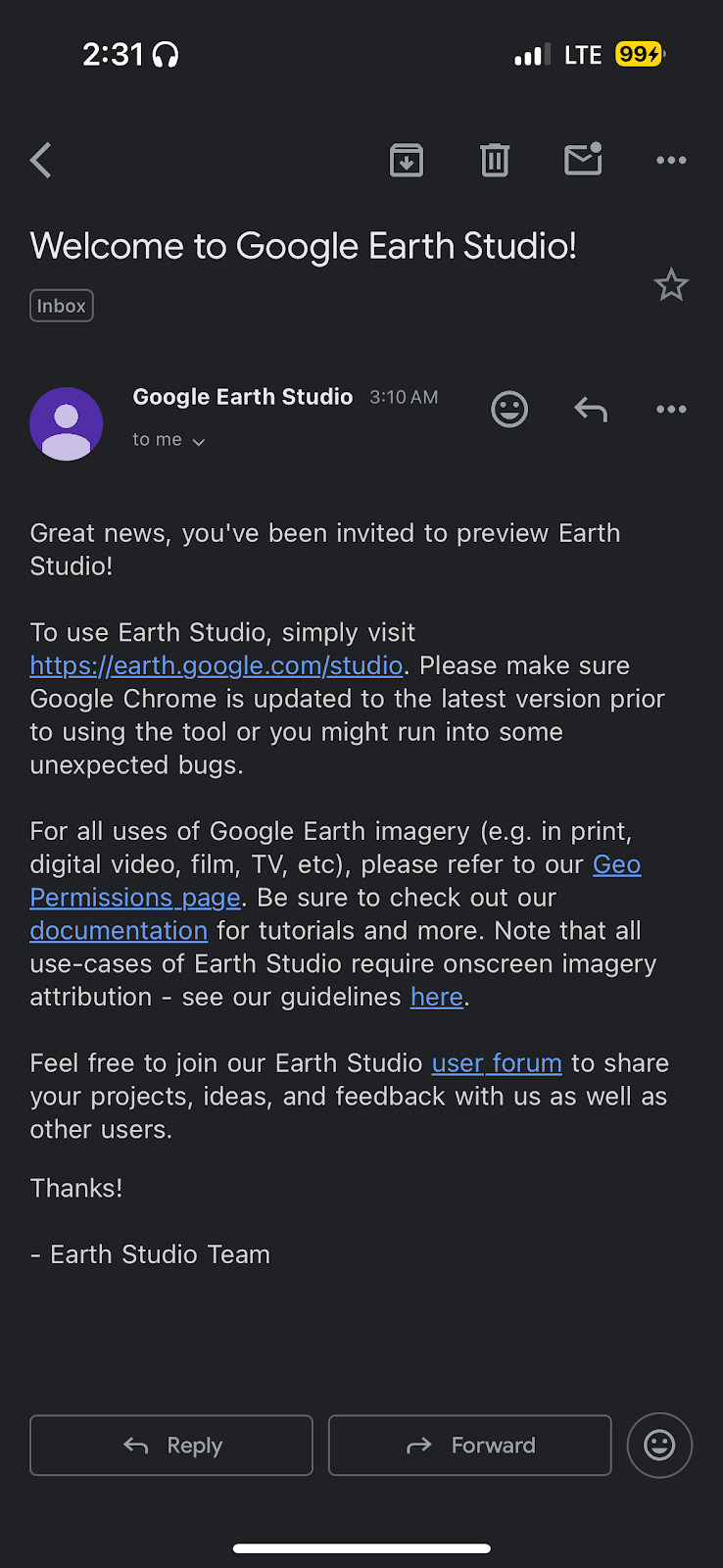
In the intricate process of producing my music video and its accompanying promotional materials, I delved deep into the world of digital design and 3D modeling to bring my creative vision to life. My journey involved using several advanced tools, including Canva, Illustrator, Procreate, and Blender, each serving a unique purpose in the project. I also explored an innovative approach to achieve aerial visuals by reaching out to Google Earth, however as it later on disrupted my narrative, I did not include it in the final render.
For creating engaging Instagram posts and the digipak for my music release, I turned to Canva, Illustrator, and Procreate. These tools were instrumental in crafting the visual aesthetics that matched the tone and style of the music video. Canva was incredibly user-friendly and served as my go-to for quickly putting together promotional content for social media. Its intuitive drag-and-drop interface allowed me to experiment with layouts and typography efficiently, making it perfect for generating eye-catching posts that could capture the essence of my project and engage my audience effectively. Illustrator was crucial for more intricate graphic design work, especially for the digipak. Its powerful vector-based tools enabled me to create crisp, detailed designs that remained sharp and clear in print form. I could manipulate paths and layers to achieve the exact look I wanted, ensuring that every element of the digipak was perfectly aligned with my artistic vision. Procreate, with its robust painting and drawing capabilities, allowed me to add a personal touch of hand-drawn graphics to the designs. The freedom to sketch and paint with a stylus on my iPad added a unique flair that set my visuals apart, giving them a custom, artisan feel.
For the music video itself, I needed dynamic and visually striking backgrounds for scenes shot against a green screen. To accomplish this, I used Blender to create 3D backgrounds. Blender's comprehensive suite of modeling and rendering tools enabled me to build complex scenes from scratch. I could simulate lighting, textures, and atmospheres that transformed the green screen into expansive landscapes and abstract spaces, making each scene both immersive and aligned with the narrative's mood.
Initially, I envisioned incorporating a drone shot to capture sweeping aerial views that would add a dramatic flair to the video. However, logistical challenges and budget constraints led me to seek alternatives that could deliver similar visual impact without the complexities of drone filming. This pursuit led me to reach out to Google Earth for preview access to their high-resolution imagery. After explaining my project in an email to Google Earth, I was granted access to preview detailed geographic imagery that I could use to simulate drone-like shots. This not only solved the logistical issues but also allowed me to experiment with different locations and perspectives, enriching the visual diversity of the music video without the need for actual aerial filming.
Navigating through the use of Canva, Illustrator, Procreate, Blender, and Google Earth was a journey of both discovery and mastery. Each tool brought its strengths to different aspects of the project, from social media posts and digipak design to 3D modeling and virtual aerial shots. This integration of various digital tools not only enhanced the visual quality of my work but also broadened my creative capabilities, allowing me to push the boundaries of traditional music video production.
Editing is absolutely pivotal in crafting a music video, a lesson I've learned profoundly through my own experience. It is in the editing suite where the magic of the music video truly comes to life, where raw footage is sculpted into a narrative that not only tells a story but also evokes emotion and captivates the audience.
Understanding Pacing and Rhythm
Through editing, I've learned the critical importance of pacing and rhythm. This aspect of video production is about more than just aligning cuts to the beat of the music—it's about understanding how the visuals flow with the tempo, how they reflect the intensity of the soundtrack, and how they guide the viewer's emotional response. Fast cuts might energize the audience, suitable for a high-tempo dance track, while longer, lingering shots might fit a ballad, drawing viewers deeper into a reflective mood. Mastering this has allowed me to enhance the emotional impact of my videos, making them resonate more deeply with the audience.
Crafting Transitions
Transitioning between scenes is an art form in itself. In my projects, I've experimented with various types of transitions to understand their effects on the narrative. From hard cuts that shock the viewer to smooth dissolves that suggest a passage of time or a change in mood, each type of transition offers a different way to move through the story. Learning to use transitions effectively has taught me how to maintain the viewer's interest and build a narrative that flows logically yet creatively from beginning to end.
Syncing Visuals and Audio
Perhaps one of the most intricate parts of editing I've encountered is syncing visuals with audio. This doesn't only mean cutting to the beat, but also involves aligning visuals with lyrical content for enhanced storytelling. For example, if the lyrics speak of loss, a corresponding visual might be a slow-motion shot of a falling object, symbolizing decline or despair. I've learned that syncing isn't just about matching beats; it's about creating a dialogue between sound and image, where each enhances the other to tell a more compelling story.
Utilizing Visual Effects
Editing has also introduced me to the vast world of visual effects. From simple black and white filters that set a nostalgic tone to complex digital effects that transform reality, the use of effects in editing has opened up endless possibilities for creativity. Through my projects, I've learned to use effects not as a crutch but as a storytelling tool, enhancing the video's thematic elements or emphasizing certain visuals without overshadowing the narrative.
Reflecting on Audience Engagement
Finally, editing has taught me the critical role of audience engagement. Every cut, every transition, and every effect is an opportunity to either pull the viewer closer or, if done poorly, push them away. By analyzing audience feedback and viewing patterns, I've learned which editing techniques work best for engaging viewers, keeping them interested and invested in the video from start to finish.
Editing is not just a post-production process; it's a crucial narrative tool that shapes the way a music video is perceived and enjoyed. It's about rhythm, emotion, visual appeal, and storytelling. Each project has sharpened my skills and deepened my understanding of the craft, helping me create music videos that aren't just watched but experienced.

Creating my music video involved diving deep into the technical world of video editing, where I explored the complex techniques of key framing, effects, intercutting, overlays, double exposures, and After Effects editing. This project was both a steep learning curve and a testament to the power of post-production in transforming a concept into a captivating visual experience.
I learned to manipulate key frames extensively, which are crucial for creating smooth animations and transitions within the video. Key framing allowed me to control the movement of objects and effects over time, providing precise control over how elements appear and interact on screen. By adjusting the position, scale, opacity, and other properties at specific points along the timeline, I could create dynamic animations that brought life to static images and text. This meticulous process taught me patience and attention to detail, as even slight adjustments could significantly impact the video's flow and visual appeal.
I delved into a variety of effects to enhance the visual style of the video. Using Adobe After Effects, I applied color corrections, light effects, and various filters to create a distinctive look that matched the video's tone. Overlays were particularly useful for adding texture and depth, such as simulating film grain or adding graphical elements that complemented the video's aesthetic. The challenge here was to balance creativity with subtlety; too many effects could overwhelm the viewer, while too few might leave the visuals feeling flat.
Double exposure techniques became a creative outlet to symbolize thematic dualities within the video, such as the juxtaposition of reality versus imagination. This required careful alignment and blending of different clips to ensure the imagery was coherent and meaningful. Intercutting was used to maintain rhythm and pace, cutting between different scenes to keep the viewer engaged and convey parallel narratives. Both techniques demanded a keen eye for detail and timing, pushing me to develop a better sense of narrative pacing and visual storytelling.
One of the main challenges I faced was managing the complexity of After Effects. While powerful, the software required a steep learning curve, especially when dealing with advanced compositing and motion graphics. I often found myself troubleshooting issues that would arise from layer interactions or effect configurations, which was time-consuming and at times frustrating.
Moreover, keeping the video's narrative coherent while using these advanced techniques proved challenging. Each artistic choice had to serve the story and the emotional journey of the characters, which meant constantly refining and sometimes simplifying my ideas, which was practically my biggest challenge.
From this experience, I learned the importance of pre-planning and storyboarding. Detailed planning before diving into After Effects helped streamline the editing process and reduced the time spent on revisions. I also learned to keep a balance between artistic ambition and practical execution, ensuring that the video remained accessible and enjoyable for the audience.
Editing my music video was an intensive but rewarding endeavor. It not only enhanced my technical skills in video editing software but also deepened my understanding of how visual elements can be woven together to tell a compelling story. Each technique, from key framing to double exposures, added a layer of depth and emotion to the video, making it a powerful visual statement that I hope resonates with viewers.