MENU
Digipaks: The Evolution and Significance in the Music Industry
The Digipak, a distinctive form of CD or DVD packaging, has played a significant role in the music and media industries. It emerged as a stylish and practical alternative to the standard jewel case, offering a canvas for creative artwork and information about the content inside. This essay explores the history of Digipaks, their importance in the music industry, and their modern-day equivalents.
Digipaks first made their appearance in the early 1990s. They were designed as a more environmentally friendly and aesthetically pleasing alternative to the traditional plastic jewel case. Made primarily from cardboard with a plastic tray to hold the disc, Digipaks allowed for greater surface area for artwork, liner notes, and other creative elements.
Artistic Expression: Digipaks became a favorite among artists and record labels due to the increased space for artistic expression. The packaging could be tailored to reflect the theme or mood of the album, creating a more immersive experience for the listener.
Digipaks have been a staple in the music industry, offering artists a creative medium to package and present their albums. In contemporary genres like cyberpop, hyperpop, and glitchcore, these conventions are given new life and interpretation. This essay explores the traditional conventions of digipaks and how they are implemented and evolved in these modern music genres.
Collectability and Niche Appeal: For music enthusiasts and collectors, Digipaks became sought-after items. The unique artwork and limited edition releases added to their collectible value.
Marketing and Brand ing: Digipaks offered a new avenue for marketing and branding, allowing artists to present their work in a more engaging and comprehensive package. This aspect was particularly important in an era where physical album sales were a primary revenue stream.
Environmental Considerations: Being made largely of cardboard, Digipaks were seen as a more environmentally friendly option compared to the all-plastic jewel case.
As the digital revolution took hold, the relevance of physical media began to wane. However, the concept of the Digipak found new life in several modern forms:
Digital Albums and Artist Websites: The visual and thematic elements of Digipaks have transitioned into the digital realm. Artists now use their websites and digital album platforms to offer a similar type of artistic and informative content that was once found in Digipaks.
Streaming Service Presentation: On platforms like Spotify and Apple Music, album art, and related visual content play a crucial role in attracting listeners. The concept of visually appealing and informative content remains central to the user experience.
Vinyl Revival: The resurgence of vinyl records has seen a similar trend in creative packaging. Large vinyl sleeves allow for even greater artistic expression, echoing the ethos of the Digipak in a more contemporary format.
Merchandising: Artists have expanded the concept of album art into broader merchandising efforts, using the artwork for clothing, posters, and other memorabilia.
The Digipak revolutionized the way music was packaged and presented, elevating the physical album from mere storage medium to a work of art. While the shift to digital media has reduced the prevalence of physical albums, the principles that made Digipaks appealing – artistic expression, branding, and environmental consciousness – continue to influence how music is presented and marketed in the digital age. The legacy of the Digipak lives on, adapting and evolving with the changing landscape of the music industry.
Traditional Conventions of Digipaks
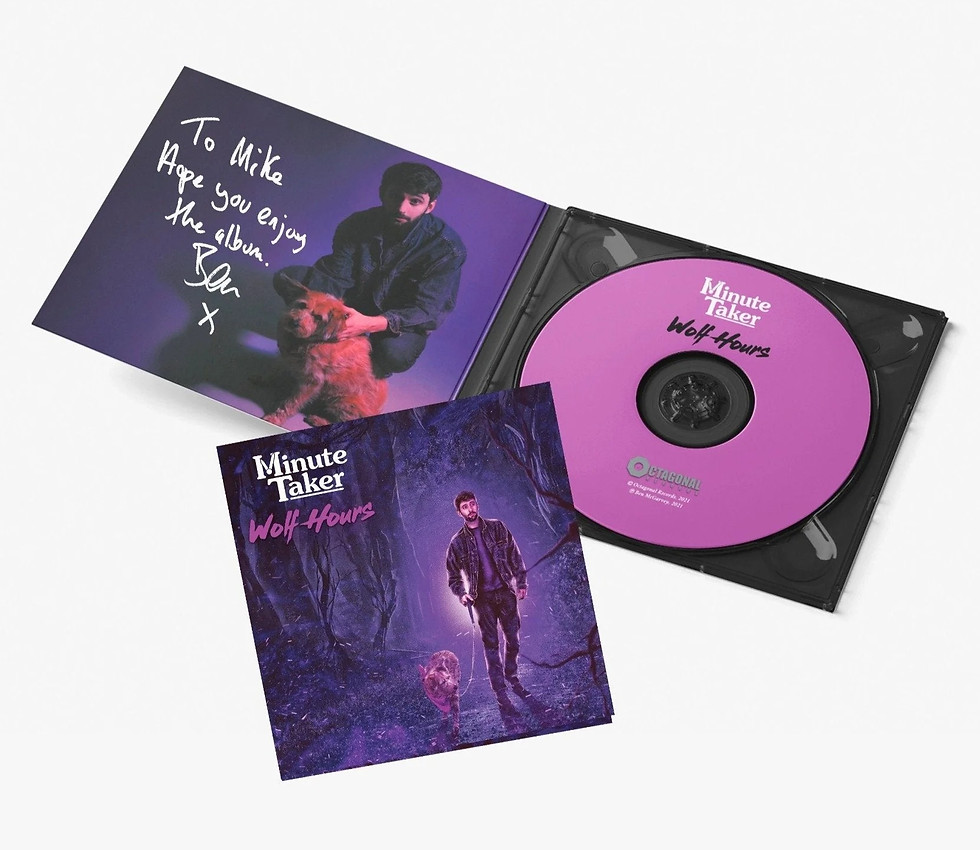
Material and Design: Traditionally, digipaks are made from cardboard with a plastic tray to hold the disc. Their design often extends to the entire surface, allowing for elaborate artwork and creative expression.
Compactness and Portability: Digipaks are designed to be more compact and eco-friendly compared to standard jewel cases.
Booklet Inclusion: Often, a booklet is included inside the digipak, providing space for lyrics, credits, additional artwork, and artist messages.
Limited Editions and Collectibility: Digipaks are frequently used for limited edition releases, making them collectible items for fans.
Implementation in Cyberpop, Hyperpop, and Glitchcore
Futuristic and Digital Artwork: Aligning with the genres' themes, digipak designs often feature futuristic, digital, and often surreal artwork. This includes neon colors, cybernetic imagery, and abstract designs that reflect the electronic and experimental nature of the music.
Interactive and Augmented Reality Elements: Some artists are incorporating interactive elements like QR codes or augmented reality features that can be accessed via smartphones, offering an extended digital experience.
Eco-Friendly Materials: In line with modern sustainability trends, digipaks in these genres are increasingly made with recycled or eco-friendly materials, aligning with the environmental consciousness of the younger audience.
Cross-Media Content: Booklets may include not just lyrics and credits, but also concept art, narratives, and links to online content like music videos, extending the user experience beyond just the album.
Innovative Formats: Some digipaks are designed to transform or unfold in unique ways, adding a tactile, interactive dimension to the album experience.
Personalization and Fan Involvement: There's a trend towards including fan art or messages in the booklet, creating a more personalized connection with the audience.
Use of Holographic and Reflective Materials: To enhance the visual appeal, materials that change appearance in light or from different angles are being used, resonating with the dynamic and vibrant aesthetics of these genres.
The conventions of digipaks, while rooted in their traditional form, have evolved significantly in the realms of cyberpop, hyperpop, and glitchcore. These modern interpretations not only reflect the distinctive aesthetic and thematic elements of these genres but also resonate with the evolving expectations of their audience. By embracing interactive technologies, eco-friendly practices, and innovative designs, digipaks in these genres have transformed into more than just a medium for music storage; they are an extension of the artistic expression and a bridge connecting the physical and digital realms of music consumption.

Enhanced Visual Appeal
Digi packs stand out with their capacity for vibrant, extensive artwork that wraps around the entire package. This not only makes the product visually striking but also allows for a fully immersive design that can reflect the artist's vision and theme of the content. Radiohead's "In Rainbows" CD was released in a digi pack that featured abstract and colorful artwork consistent with the album's innovative sound. This not only complemented the music but also created a memorable physical product that fans cherished.
Space for Additional Content
Digi packs typically include multiple fold-out panels, which provide ample space for additional content. This space can be utilized for lyrics, extensive liner notes, detailed credits, photographs, and more, enriching the user experience. Beyoncé’s "Lemonade" was released in a digi pack that included a booklet filled with visual and poetic accompaniments to the music, deepening fans' connection to the album's themes and narratives.
Durability and Protection
Unlike traditional jewel cases, which are prone to cracking and breaking, digi packs are crafted from sturdy cardboard that offers enhanced protection for the discs inside. This durability ensures that the media is less likely to be damaged during shipping or regular handling, preserving the longevity of the disc. Many limited edition box sets, such as the Beatles' "Stereo Box Set," utilize digi packs to ensure that the numerous discs within are kept in pristine condition, appealing to collectors and audiophiles who value the integrity of their physical media collections.
Eco-Friendly Option
In an era of increasing environmental awareness, digi packs offer a more sustainable choice for packaging. Made from cardboard, often sourced from recycled materials, they are easier to recycle than plastic cases and align with the green initiatives of many modern consumers and companies. Coldplay's "Everyday Life" album was released in eco-friendly packaging, including a digi pack that used sustainably sourced cardboard, aligning with the band's commitment to environmental issues.
Collectability and Value
For collectors, the unique artwork and limited production runs of digi packs can enhance their value and desirability as collectible items. Special editions and releases often become sought-after items among fans. The special edition digi pack of Linkin Park's "Hybrid Theory" became a highly coveted item among fans due to its iconic artwork and the nostalgic value of the album, boosting its collectability.
Marketing and Branding Opportunities
The additional real estate provided by digi packs can be effectively used for marketing and branding purposes. Artists can include their logos, promotional messages, and other marketing materials directly on the packaging, turning every CD or DVD into a miniature billboard. Taylor Swift’s album releases often feature digi packs that include not only her music but also extensive branding elements, promotional photos, and exclusive content that enhance her brand identity and marketability.
Digi packs, a popular alternative to traditional jewel cases for CDs and DVDs, offer a range of benefits that enhance their appeal among artists, filmmakers, and music producers. Their design and functionality make them a favored choice for packaging media, providing both aesthetic and practical advantages. Digi packs represent a superior option for CD and DVD packaging, blending functionality with aesthetic appeal. They protect the media, provide space for additional artistic and informative content, offer eco-friendly benefits, enhance branding opportunities, and increase the collectible value of the product. As physical media continues to compete with digital formats, the advantages of digi packs play a crucial role in appealing to consumers who value the tangible aspects of media consumption.
DigiPaks serve as a creative canvas for artists and musicians, allowing them to present their CDs and DVDs in a visually appealing and engaging manner. These packages not only protect the media but also enhance the storytelling experience through their design and additional content. Let’s delve deeper into what typically makes up the front, back, and inside of a DigiPak and provide some illustrative examples.
Front:
The front of a DigiPak is designed to make a strong first impression. It often features vibrant, eye-catching artwork that connects visually with the album or artist's themes.
- Large Eye-Catching Picture: The artwork is usually thematic, relating to the album's content or the artist's persona. Adele’s "25" features a close-up portrait of her face on the front, capturing the emotional and introspective nature of the album.
- Title and Artist Visibility: The album or song title, along with the artist's name, is prominently displayed to ensure immediate recognition. Taylor Swift's "1989" features a Polaroid photo on the front cover, which not only adds a nostalgic visual element but also prominently displays her name and album title in a stylized font.
Back:
The back of the DigiPak serves as an informational hub about the album or DVD, giving fans and purchasers essential details at a glance.
- Artist/Album Name: Clearly displayed for easy identification.
- Tracklist: Provides a rundown of all the songs or chapters included, often highlighting singles or notable tracks. Coldplay’s "A Head Full of Dreams" features a colorful, abstract art piece on the back, with a clear tracklist set against a contrasting background.
- Barcode: Essential for retail and inventory purposes.
- Album Artwork: Continuation of the theme from the front, providing a cohesive visual experience.
- Record Label: Identifies the publishing label, which can influence buyer’s perception due to brand recognition.
- Extra Information: May include copyright details, website information, or additional credits. Kendrick Lamar's "DAMN." includes minimalistic back cover design with tracklist and other essential info, reflecting the album’s stark and powerful themes.
Inside:
The interior of a DigiPak is not just functional but also an extension of the artistic expression seen on the exterior.
- CD Holder: Typically, a clear plastic tray that securely holds the disc, designed so that additional artwork behind the CD can be seen. Lady Gaga's "Joanne" features a pink hat (a central image associated with the album’s branding) on the disc which aligns with the rustic, personal vibe of the music.
- Additional Artwork: Often includes thematic artwork that complements the front and back covers.
- Lyrics: Fans appreciate having the lyrics as it deepens their connection to the music. Bruce Springsteen’s "Western Stars" includes a booklet with song lyrics, enhancing the listener's engagement with his storytelling.
- Artist Information: May include biographical notes or the story behind the album.
- Personal Messages: Artists sometimes include thank you notes or messages to fans, adding a personal touch. Beyoncé’s "Lemonade" features personal essays and poetry which provide deeper insight into the themes of the album.


DigiPaks, a popular choice for CD and DVD packaging, offer versatility in design and functionality that makes them appealing for artists looking to distribute their music or films with added artistic flair. The variations in the number of panels and the type of materials used allow for extensive customization, enhancing both the visual appeal and environmental friendliness of the packaging. Below are some detailed examples and uses for different types of DigiPaks.
4-Panel Digipak
The 4-panel Digipak is essentially the industry standard, commonly chosen for its balance between cost, space, and aesthetic value. It unfolds to reveal four panels, offering ample space for artwork and information without being too bulky.
- Popularity: It has overtaken the traditional jewel case as the preferred medium for albums due to its sleek profile and substantial surface area for design.
- Example: Taylor Swift’s "Folklore" album uses a 4-panel Digipak that beautifully displays thematic artwork corresponding to the album's ethereal and introspective nature. The design utilizes all four panels to narrate a visual story that complements the music.
6-Panel Digipak
The 6-panel Digipak provides additional space for creative design and content. This format is particularly useful for special releases, such as deluxe editions, which may include extensive liner notes, lyrics, and additional artwork.
- Flexibility: The additional panels can be used to create a more expansive visual experience or to include more textual content. The CD tray can be placed in the center or on the right-hand panel, depending on how the unfolding sequence is designed to complement the artwork. Coldplay’s "Ghost Stories" deluxe edition features a 6-panel Digipak that includes intricate artwork and design elements that unfold with each panel, offering fans a visual exploration that mirrors the album's thematic depth and storytelling.
8-Panel and 10-Panel Digipak
These are less common but make a significant visual impact. They are often used for box set releases or special collector’s items and provide a vast canvas for artistic expression.
- Distinctiveness: The rarity and physical expansiveness of 8 and 10-panel Digipaks make them stand out as physical products. They are often used when the album itself is part of a larger artistic project involving extensive visual elements. The Beatles’ "Sgt. Pepper’s Lonely Hearts Club Band" anniversary edition uses an extended panel Digipak to include a wealth of historical information, photographs, and reproductions of memorabilia, enhancing the collectibility and tactile experience of the album.
Paperfoam CD Digipak
Paperfoam trays offer an eco-friendly alternative to traditional plastic trays, aligning with growing environmental concerns among consumers and industries alike.
- Sustainability: Made from biodegradable and sustainable materials, Paperfoam trays significantly reduce the environmental impact of CD packaging.
- Carbon Footprint: These trays have an 85% lower carbon footprint compared to their plastic counterparts, making them a responsible choice for artists and labels focused on sustainability. Jack Johnson’s "All The Light Above It Too" album uses a Paperfoam Digipak to align with his environmental advocacy. The packaging is 100% recyclable, reflecting the artist’s commitment to minimizing environmental impact.