
MENU
Digital marketing in the music industry has transformed dramatically with the advent of Web 2.0 technologies. Web 2.0, characterized by greater user interactivity and collaboration, has facilitated more direct communication and engagement between artists and their audiences. This evolution has been further amplified by the concept of media convergence, where traditional and digital media blend to create more integrated and multifaceted platforms for content delivery. Here, we explore how these developments have influenced music marketing strategies with detailed examples.
Digital Marketing in the Music Industry
Digital marketing in music involves using online platforms to promote artists, distribute music, engage with fans, and manage brand reputation. The primary tools include social media, streaming services, websites, and digital advertisements.
1. Social Media Marketing:
- Example: Beyoncé's "Lemonade" Album Release (2016)
Beyoncé utilized the power of social media to launch her album "Lemonade" with little prior announcement. The release was accompanied by a one-hour film aired on HBO and immediately followed by the exclusive album release on Tidal, a streaming service co-owned by Beyoncé. This strategy created a massive buzz online, driving significant traffic to Tidal and generating extensive media coverage.
- Example: Lil Nas X’s “Old Town Road” TikTok Virality
Lil Nas X's hit "Old Town Road" gained explosive popularity through TikTok, where users created numerous videos lip-syncing to the song. This organic social media engagement helped the song climb music charts and achieve a diamond certification, demonstrating the power of viral content and community-driven promotion in digital marketing.
2. Streaming Services and Playlist Marketing:
- Example: Spotify's Personalized Playlists
Spotify has revolutionized music marketing with features like Discover Weekly and Release Radar, which use sophisticated algorithms to deliver personalized playlists to millions of users. These playlists promote music discovery by suggesting tracks based on individual listening habits, effectively placing new songs alongside user favorites, thereby increasing visibility and streams for emerging artists.
3. Influencer and Collaborative Marketing:
- Example: Justin Bieber’s "Yummy" Campaign
For his single "Yummy," Justin Bieber collaborated with popular TikTok influencers, who created dance routines for the song. This strategy not only popularized the track but also encouraged fan participation and content creation across platforms, amplifying reach and engagement.
Web 2.0 in the Music Industry
Web 2.0 technologies have emphasized user-generated content, interoperability, and usability on the Internet, which have all been crucial in shifting the music industry’s marketing strategies from a one-way communication model to a more interactive, engaging approach.
1. Fan Engagement and Interactive Platforms:
- Example: Taylor Swift's Easter Eggs and Fan Theories
Taylor Swift is known for her strategic use of social media to engage fans by embedding "Easter eggs" (hidden messages) in her music videos and posts. Fans flock to forums and social media to discuss these clues, fostering a highly engaged community and keeping media attention high.
2. Real-Time Interactions:
- Example: AMA (Ask Me Anything) Sessions
Reddit's AMA sessions with musicians like Billie Eilish provide a platform for real-time interaction, allowing fans to communicate directly with their favorite artists. This level of engagement is crucial for building fan loyalty and maintaining a relatable artist image.
Convergence in the Music Industry
Media convergence in the music industry has seen the merging of various content forms and devices, leading to innovative ways to market and consume music.
1. Cross-Media Marketing:
- Example: Travis Scott’s Fortnite Concert
Travis Scott’s virtual concert in Fortnite is an excellent example of convergence between gaming and music. This event attracted millions of viewers and included a digital merchandise store within the game, showcasing how different media forms can be integrated to create a unique marketing experience.
2. Multi-Platform Releases:
- Example: Miley Cyrus's "Black Mirror" Episode
Miley Cyrus starred in an episode of "Black Mirror," featuring her fictional pop star character Ashley O. The songs performed in the episode were released across multiple platforms, including Spotify and Apple Music, illustrating a strategic use of television to boost music sales.
The integration of digital marketing, Web 2.0 technologies, and media convergence has fundamentally reshaped the music industry. Artists and labels can now engage with audiences in more personalized and interactive ways, breaking the traditional barriers of music promotion and distribution. This dynamic environment encourages continuous innovation in how music is marketed and consumed, offering artists diverse avenues to reach their audiences and build their brands in the digital age.



DISTRIBUTION STRATEGY
As an independent producer/director/artist, crafting a robust distribution strategy for my debut album and music video is crucial for maximizing reach and impact. This strategy encompasses various platforms, promotional tactics, and audience engagement methods, and is my Distribution and Exhibition to-do list.
1. Digital Music Platforms
Major Streaming Services: Distribute the album on platforms like Spotify, Apple Music, Amazon Music, and Tidal. Utilize services like DistroKid or TuneCore for wider distribution.
Bandcamp and SoundCloud: Offer the album on platforms that are friendly to independent artists. Consider a 'name your price' option for Bandcamp.
YouTube: Publish the music video and individual tracks. Optimize video titles, descriptions, and tags for discoverability.
2. Social Media and Online Presence
Instagram and TikTok: Use these platforms for short teasers, behind-the-scenes content, and interactive stories.
Twitter and Reddit/Discord: Share updates, engage with fans, and post about the album’s development and release.
Content Strategy: Regularly post engaging content, including teasers, behind-the-scenes looks, and interactive posts.
Exclusive Previews and Teasers: Release snippets of tracks, behind-the-scenes footage, and teasers of the music video to build excitement.
Countdowns and Pre-Save Campaigns: Implement countdowns on social media for the album release and encourage fans to pre-save the album on streaming platforms.
Storytelling and Thematic Content: Share the story behind the album – the inspirations, challenges, and what makes it unique. This narrative builds a deeper connection with the audience.
3. Video Platforms
YouTube: Premiere the music video on YouTube. Consider YouTube ads to increase visibility.
Vimeo: For a higher quality display, also upload the music video to Vimeo.
4. Physical Copies
Limited Edition Physical Releases: Offer a limited run of physical copies (CDs or vinyl) with unique artwork and possibly merchandise bundles or special edition items. Utilize platforms like Bandcamp for sales.
Sell Through Your Website and Bandcamp: Make these available for purchase directly through your website and Bandcamp.
5. Collaborations and Partnerships
Collaborations with Other Artists: Collaborate with other artists to expand your audience reach.
Partnerships with Influencers: Partner with influencers or content creators to promote the album and music video.
Reach Out to Music Blogs: Contact music blogs and online magazines for album reviews and feature articles.
6. Email Marketing
Newsletter: Build an email list through your website and social media channels. Send updates and exclusive content to subscribers.
7. Press and PR
Press Release: Write and distribute a press release about the album launch.
Music Blogs and Magazines: Reach out to music blogs and magazines for reviews and features.
8. Live Performances and Tours
Virtual Performances: Host live-streamed performances or listening parties.
Local Gigs and Open Mics: Perform at local venues to build a grassroots following.
9. Fan Engagement
Interactive Campaigns: Host Q&A sessions, contests, or giveaways.
Fan Feedback: Actively engage with fans’ comments and feedback and encourage them to share your music.
Fan Contributions: Encourage fan art, remixes, or cover contests related to the album, fostering a participative fan base.
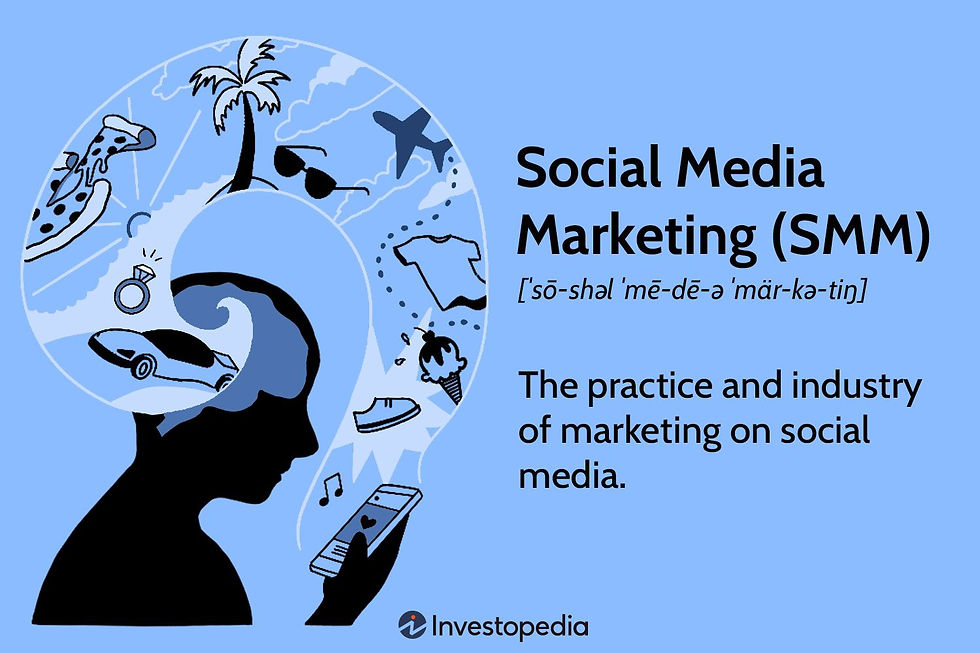
Social media marketing, synergy, and collaborative marketing are three crucial strategies in the digital landscape that help amplify a brand’s reach and engagement. Below, we detail each strategy with three specific examples to illustrate their implementation and impact.
Social Media Marketing
Social media marketing in the music industry leverages platforms like Instagram, Twitter, Facebook, and TikTok to engage fans, promote music, and strengthen artist branding.
1. BTS’ Twitter Engagement
- BTS has mastered the art of social media by actively engaging with their global fanbase on Twitter. They share behind-the-scenes content, personal messages, and updates directly with fans, fostering a close-knit community and driving engagement.
2. Cardi B’s Instagram Use
- Cardi B uses Instagram effectively by posting a mix of personal, promotional, and behind-the-scenes content that showcases her personality. Her approach makes fans feel intimately connected to her daily life, enhancing her relatability and fan loyalty.
3. Selena Gomez’s Mental Health Advocacy on Social Media
- Selena Gomez uses her platforms to openly discuss mental health issues, integrating personal stories with broader advocacy. This honest approach not only strengthens her personal brand but also engages and supports her community, creating a deeper connection with her audience.
Synergy
Synergy involves integrating various media tools and platforms to enhance brand messaging and reach. It combines advertising, public relations, sales, and customer service to present a cohesive marketing message.
1. Lady Gaga’s "A Star Is Born"
- The synergy between Lady Gaga’s music career and her starring role in "A Star Is Born" allowed cross-promotion across multiple channels. The film’s soundtrack featured her music, which benefited from the movie's marketing campaign and vice versa, leading to a boost in both box office and music sales.
2. Jay-Z’s Tidal x Sprint Partnership
- Jay-Z's partnership with Sprint for his music streaming service Tidal is a prime example of synergy. Sprint invested $200 million and offered Tidal as part of its mobile service package, significantly boosting Tidal’s subscriber base and providing exclusive content to Sprint customers.
3. Taylor Swift’s Brand Partnerships
- Taylor Swift’s partnerships with brands like Apple, AT&T, and Diet Coke, where each campaign is integrated with her music releases and tour announcements, show synergy. These partnerships help each brand leverage Swift's star power while promoting her music through commercials and co-branded products.
Collaborative Marketing
Collaborative marketing involves partnerships between brands, artists, or influencers to reach wider audiences by combining resources and influence.
1. Ed Sheeran and Heinz Ketchup
- Ed Sheeran, a self-proclaimed ketchup enthusiast, partnered with Heinz to create "Edchup." The campaign was playful and personalized, and it used Sheeran’s influence to elevate Heinz’s brand among younger consumers.
2. The Weeknd’s Collaboration with Mercedes-Benz
- The Weeknd partnered with Mercedes-Benz to promote their EQC electric car, where he starred in their commercial which also featured his single "Blinding Lights." This partnership helped Mercedes-Benz connect with younger, more environmentally conscious consumers through The Weeknd’s vast audience.
3. Billie Eilish and Adobe Creative Cloud
- Billie Eilish partnered with Adobe for a digital art contest where fans were encouraged to use Adobe Creative Cloud tools to create artwork inspired by her music and style. This collaboration not only promoted Adobe’s software among young creatives but also deepened Eilish’s engagement with her fans by involving them in the creative process.
Each of these strategies—social media marketing, synergy, and collaborative marketing—plays a vital role in modern digital marketing campaigns by enhancing engagement, extending reach, and building a robust brand presence. When executed effectively, they create memorable campaigns that resonate with audiences and drive measurable results.
Instagram has become a pivotal platform for artists to connect with fans, showcase their personality, and market their music. Successful artists leverage Instagram’s visual and interactive features to enhance their brand, engage their audience, and promote their work. These are five music artists with notably successful Instagram pages and an analysis of why they excel on this platform:
1. Beyoncé
Instagram Handle: [@beyonce](https://www.instagram.com/beyonce)
Followers: Over 200 million
Beyoncé’s Instagram is a masterclass in branding and visual storytelling. Her posts are meticulously curated, often featuring high-quality, artistic images that maintain a consistent aesthetic aligned with her current projects and public persona. She uses the platform to make major announcements, which often become viral moments, such as her pregnancy reveal photo, one of the most liked posts in Instagram history. Beyoncé’s limited but impactful use of Instagram creates a sense of exclusivity and anticipation around her posts.
2. Taylor Swift
Instagram Handle: [@taylorswift](https://www.instagram.com/taylorswift)
Followers:** Over 180 million
Taylor Swift uses Instagram to foster a close relationship with her fans. She shares behind-the-scenes content, personal updates, and interacts directly with fans through comments and live videos. Swift’s approach makes her followers feel like insiders in her life and music career, which enhances fan loyalty. She also effectively uses Instagram stories and reels to promote new music and projects, ensuring her posts contribute directly to her commercial success.
3. Bad Bunny
Instagram Handle: [@badbunnypr](https://www.instagram.com/badbunnypr)
Followers: Over 38 million
Bad Bunny’s Instagram success stems from his authentic representation of his unique style and personality. His posts often include vibrant, colorful imagery that reflects his eccentric fashion sense and dynamic performance style. He actively embraces his cultural identity, which resonates with a broad audience, particularly within the Latin music community. His engagement with current social and political issues also makes his content relevant and relatable.
4. Ariana Grande
Instagram Handle: [@arianagrande](https://www.instagram.com/arianagrande)
Followers: Over 280 million
Ariana Grande’s Instagram page is successful because it blends personal content with professional updates. She shares snippets from her life alongside glamorous shots and high-quality video content, providing a balanced glimpse into both her personal and public life. Grande’s regular engagement with fans—whether through replies in comments or in-depth stories—keeps her followers active and engaged, helping to maintain her relevance and visibility on the platform.
5. Drake
Instagram Handle: [@champagnepapi](https://www.instagram.com/champagnepapi)
Followers: Over 100 million
Drake uses Instagram to cultivate a persona that blends music, fashion, and a luxurious lifestyle, which appeals to a wide range of followers. His posts often highlight his involvement in sports, friendships with other celebrities, and behind-the-scenes looks at his music projects, which portray him as both relatable and aspirational. He successfully uses Instagram to keep fans updated on his ventures, both inside and outside of music, making his page a central hub for fans to stay connected with his diverse interests.
6. Lil Nas X has mastered the art of leveraging social media, particularly Instagram, to bolster his image and promote his music creatively and effectively. His strategic use of Instagram, combined with his innovative promotional methods, has played a crucial role in his rapid rise to fame and the broad appeal of his music.
Instagram Strategy
Engaging and Authentic Content: Lil Nas X’s Instagram page is a vibrant mix of personal anecdotes, professional updates, and humorous posts. He maintains an authentic voice that resonates with a young, diverse audience, ensuring that his content is relatable and engaging.
Visual Aesthetics: His posts are visually striking, often featuring bold outfits and colorful backdrops that reflect his unique style and personality. This consistent aesthetic helps make his content instantly recognizable.
Interactive Features: He frequently utilizes Instagram’s interactive features like stories, polls, and Q&A sessions to engage directly with his fans. This not only helps maintain his visibility on follower feeds but also fosters a sense of community and loyalty among his audience.
Promotional Methods
Viral Marketing: Lil Nas X has a knack for creating content that is likely to go viral. His breakout hit, “Old Town Road,” first gained traction on social media platforms like TikTok before becoming a worldwide phenomenon. He cleverly uses memes and catchy snippets of his songs to encourage shares and engagement.
Collaborations: Lil Nas X collaborates with other artists and celebrities to reach wider audiences. His collaborations are often previewed on Instagram, creating buzz and anticipation. For example, his song "MONTERO (Call Me By Your Name)" featured a controversial video that sparked widespread discussion, and his proactive engagement on social media helped amplify its reach.
Cross-Media platform Promotion: While he uses Instagram effectively, Lil Nas X also ensures his presence is felt across other social media platforms, creating a comprehensive online presence that captures a variety of audiences. This includes Twitter, where he engages in real-time discussions, and YouTube, where he releases creative, high-quality music videos.
Event and Appearance Teasing: Lil Nas X uses Instagram to tease upcoming events, appearances, or releases, often dropping hints or partial images that keep his followers guessing. This method builds anticipation and keeps his audience attentive and excited about new content.
Personal Narratives: He shares his personal journey and challenges openly, including his experiences with fame, identity, and creativity. This transparency has helped him build a strong emotional connection with his audience, making his promotional efforts more effective because his fans are not just interested in his music but also in his personal well-being and success.
Lil Nas X's approach to Instagram and promotion is a prime example of how modern artists can leverage digital platforms to build a successful music career. His ability to blend authenticity with entertainment, coupled with strategic content creation and savvy marketing tactics, has not only won him millions of followers but also a significant place in contemporary music culture. His methods highlight the importance of adapting to and embracing the digital landscape for promotional success in the entertainment industry. All these artists illustrate different strategies for leveraging Instagram effectively. Whether through high-quality visual content, personal interaction, cultural connection, or lifestyle showcasing, they each use the platform to enhance their music career and personal brand. Their success on Instagram not only demonstrates their popularity but also their ability to adapt and thrive in a digital-first music industry.


SOCIAL MEDIA

